
Web Design Services UI/UX Design…
Evolution of UI/UX Design in Web Design Services
In the ever-evolving landscape of web design services, the pivotal role of UI/UX design cannot be overstated. The journey of UI/UX design in web design services has been marked by a fascinating evolution, mirroring technological advancements and changing user expectations.
The Early Days: Functional Over Aesthetics
In the nascent stages of web design, during the late 20th century, design was often an afterthought. Websites were primarily functional, focusing on delivering information rather than providing an engaging user experience. Aesthetic considerations took a back seat, and designers grappled with limited tools and technologies.
Accessibility and Inclusive Design: Designing for Everyone
Inclusive design has gained prominence, emphasizing the creation of interfaces that cater to users with diverse abilities and needs. Accessibility standards and guidelines are now integral to the design process, ensuring that websites are usable by people with disabilities. This shift towards inclusivity not only reflects a moral imperative but also acknowledges the business benefits of reaching a broader audience.
The Rise of Flash and Multimedia: Aesthetic Overkill
As the internet gained popularity in the early 2000s, designers started experimenting with Flash and multimedia elements to enhance visual appeal. While these technologies allowed for more dynamic and interactive designs, they often led to slow-loading websites and accessibility issues. The emphasis shifted towards aesthetics, neglecting user experience.
Web 2.0: A Paradigm Shift
With the advent of Web 2.0 in the mid-2000s, there was a paradigm shift in UI/UX design. Focus shifted toward user-centric design, emphasizing simplicity, interactivity, and responsiveness. This era introduced the concept of user-generated content and collaborative platforms, reshaping the way users interacted with websites. The emergence of AJAX technology allowed for seamless, asynchronous data retrieval, further enhancing the user experience.
Mobile Revolution: Responsive Design Takes Center Stage
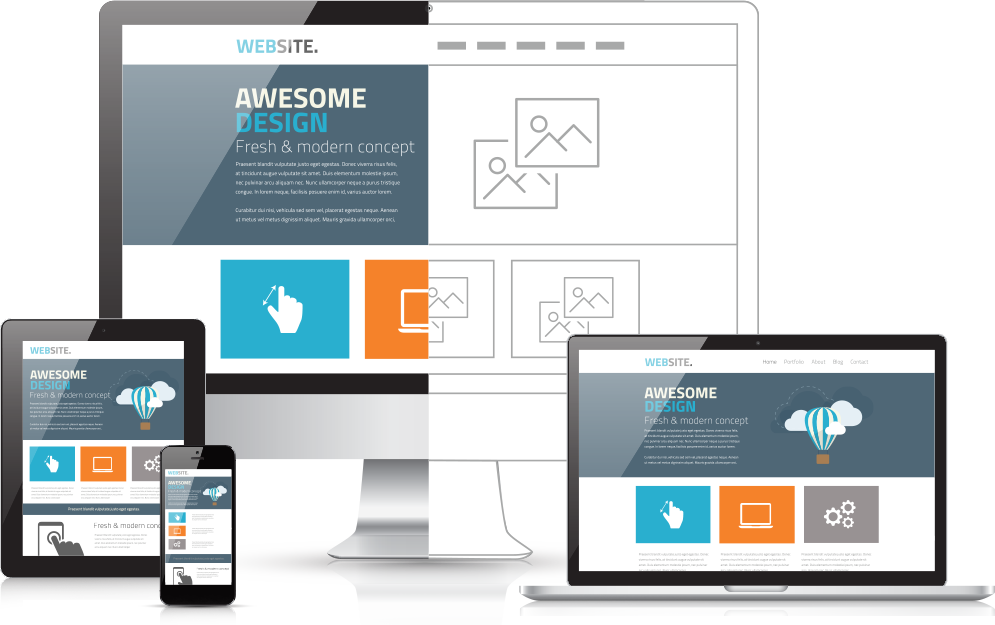
The proliferation of smartphones in the late 2000s ushered in a new era for UI/UX design. The need for seamless experiences across various devices led to the rise of responsive design. Designers now had to consider a multitude of screen sizes, resolutions, and touch interactions. The mobile-first approach became a design mantra, emphasizing the importance of crafting interfaces that prioritized mobile users.
Flat Design and Minimalism: Aesthetic Simplicity
Around 2010, there was a notable shift towards flat design and minimalism. Influenced by the design philosophies of companies like Apple, designers embraced clean lines, simple shapes, and bold colors. This aesthetic simplicity aimed to improve user comprehension and reduce visual clutter. The focus on minimalism also aligned with the growing importance of fast-loading websites and improved performance.
Material Design and Skeuomorphism: Bridging the Gap
The mid-2010s witnessed the coexistence of Material Design and a revival of skeuomorphism. Google’s Material Design introduced a new visual language with bold colors, card-based layouts, and responsive animations. Meanwhile, Apple’s iOS embraced a more realistic, tactile design reminiscent of skeuomorphism. This period highlighted the diversity in design approaches, with designers choosing styles that best suited their application’s context and user base.
Beyond Screens: Voice and Gesture Interfaces
As technology continued to advance, the design scope expanded beyond traditional screens. Voice and gesture interfaces gained prominence, challenging designers to create experiences that extended beyond the visual realm. Conversational UIs and natural language processing became integral components of modern design, reflecting a more intuitive and accessible user experience.
Future Horizons: AI, AR, and Immersive Experiences
Looking ahead, the future of UI/UX design in web development seems poised for even more groundbreaking changes. Artificial intelligence (AI), augmented reality (AR), and virtual reality (VR) are becoming integral to user interfaces, opening up new possibilities for immersive and personalized experiences. As designers navigate these uncharted waters, the focus remains on creating interfaces that seamlessly blend technology and user-centric design principles, ensuring a harmonious and delightful user experience in the evolving digital landscape.