
Web Development Services Full-Stack Development…
Evolution of Full-Stack Development in WordPress
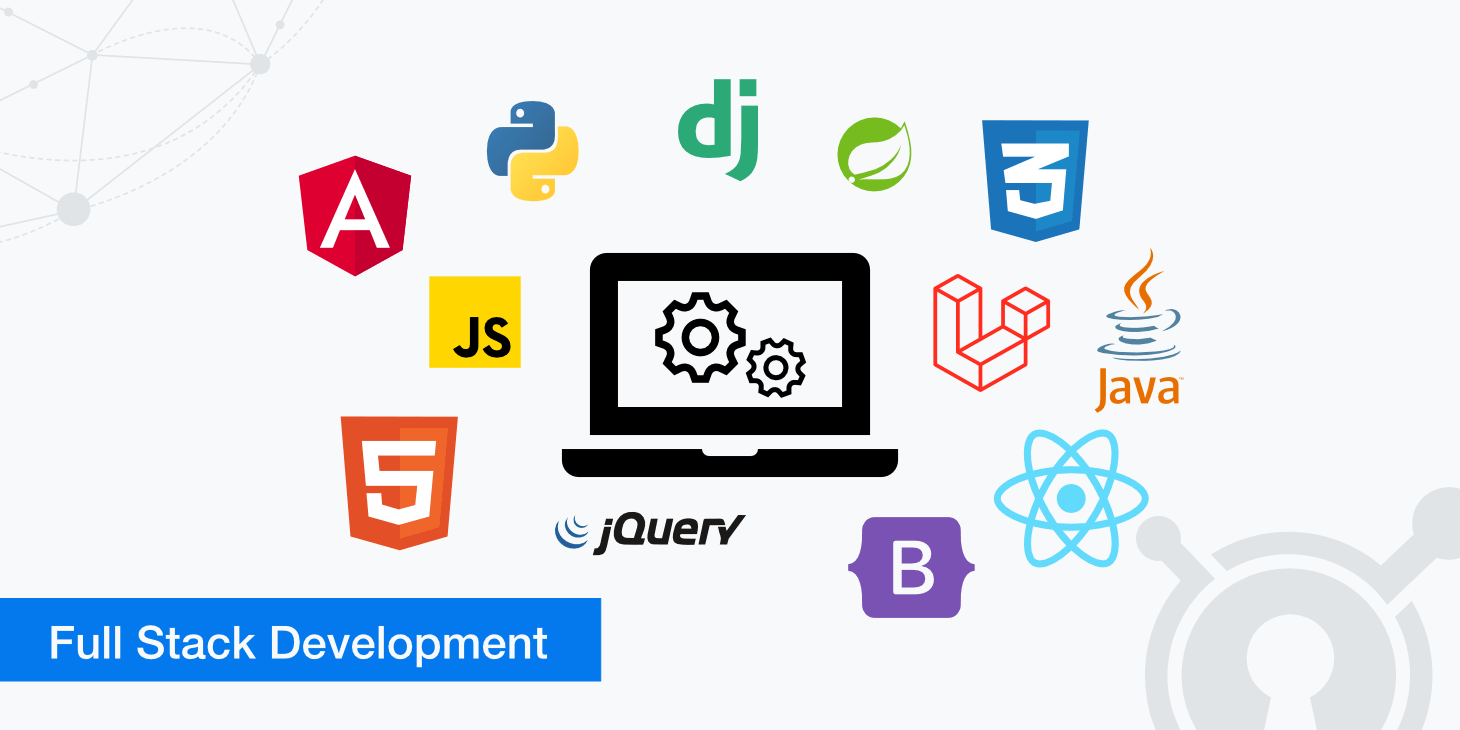
WordPress, a content management system (Full-stack development) initially designed for blogging, has witnessed a remarkable transformation over the years, particularly in the realm of full stack development. The journey of WordPress from a simple blogging platform to a versatile and robust CMS capable of supporting full-stack development has been marked by key milestones and technological advancements.
1. Inception and Early Days:
WordPress emerged in 2003, primarily as a blogging tool. However, its open-source nature and user-friendly interface quickly garnered widespread adoption. In the early days, developers focused on enhancing its blogging capabilities, and full-stack development was not a prevalent concept in the WordPress ecosystem.
2. Rise of Themes and Front-End Development:
As WordPress gained popularity, the emphasis shifted to improving the user interface. The introduction of themes allowed developers to customize the look and feel of websites. This marked the initial foray into front-end development within the WordPress framework. Developers began to leverage HTML, CSS, and JavaScript to enhance the visual aspects of WordPress sites.
3. Plugin Ecosystem and Back-End Development:
The evolution continued with the proliferation of plugins, enabling developers to extend the functionality of WordPress. This marked the inception of back-end development within the WordPress ecosystem. Developers started using PHP, the server-side scripting language of WordPress, to create custom plugins and modify core functionalities, laying the foundation for full-stack development.
4. Integration of JavaScript and AJAX:
The advent of JavaScript libraries and AJAX (Asynchronous JavaScript and XML) further revolutionized WordPress development. Developers began incorporating JavaScript into themes and plugins, facilitating dynamic and interactive user experiences. This integration marked a pivotal moment in the convergence of front-end and back-end development , setting the stage for a holistic full-stack approach.
5. REST API and Headless WordPress:
The introduction of the REST API in WordPress core opened up new possibilities for decoupled architectures. Developers could now build front-end applications using frameworks like React or Vue.js, completely independent of the WordPress back end. This headless approach allowed for greater flexibility and scalability, solidifying the role of full-stack development in the WordPress ecosystem.
6. Modern Full-Stack Development in WordPress:
In recent years, the WordPress landscape has embraced a modern full of development approach. Developers now proficiently combine technologies such as PHP, JavaScript, HTML, CSS, and databases like MySQL to create robust and dynamic web applications. The community’s focus on embracing the latest web development trends ensures that WordPress remains at the forefront of full-stack development, adapting to the evolving needs of developers and users alike.
7. Gutenberg Editor and Block-Based Development:
A significant turning point in the history of WordPress full-stack development came with the introduction of the Gutenberg editor in WordPress 5.0. Gutenberg revolutionized content creation by introducing a block-based approach. This not only streamlined the editing process for users but also opened new avenues for developers. With block-based development, developers could create custom blocks using a combination of HTML, CSS, and JavaScript, providing a more modular and customizable approach to building content-rich websites.
8. Embracing Modern JavaScript Frameworks:
In recent years, the WordPress community has witnessed a growing trend of incorporating modern JavaScript frameworks into development workflows. This includes frameworks like React, Vue.js, and Angular. Developers leverage these frameworks to build interactive user interfaces, enhancing the overall user experience. This shift towards using sophisticated JavaScript frameworks further underscores the evolution of full-stack development practices within the WordPress ecosystem.
Conclusion
In conclusion, the history of full-stack development in WordPress reflects a journey of continuous innovation and adaptation. From its humble beginnings as a blogging platform, WordPress has evolved into a comprehensive CMS supporting a full spectrum of development technologies. The convergence of front-end and back-end capabilities, coupled with the flexibility of decoupled architectures, positions WordPress as a dynamic platform for modern full-stack development. As technology advances, the WordPress community continues to push boundaries, ensuring that the platform remains a versatile and powerful tool for developers across the globe.